The Chemical Conundrum: Why We're Re-evaluating Store-Bought Deodorants
For years, the daily swipe of deodorant was a mindless habit, an assumed necessity in the battle against body odor. Most of us, much like the author of a personal journey that mirrors many, gave little thought to the ingredients lurking in our conventional antiperspirants and deodorants. "If my Lady Mitchum worked, then that was good enough for me. End of story." This sentiment perfectly captures the prevailing attitude: efficacy trumped curiosity about chemicals.
However, a shift has been occurring. What once seemed "crazy" – concerns about ingredients like aluminum – is now a mainstream topic. More and more people are becoming "crunchy," not just about their diet, but about everything that touches their skin and enters their homes. The spotlight has turned squarely on the potentially problematic compounds found in many commercial deodorants:
*
Aluminum: The primary active ingredient in antiperspirants, aluminum compounds work by temporarily blocking sweat ducts. While regulatory bodies deem them safe, persistent questions regarding their link to health issues, particularly breast cancer and Alzheimer's disease, continue to circulate within the wellness community. These concerns, even if not definitively proven, are enough to prompt many to seek alternatives.
*
Parabens: Often used as preservatives, parabens can mimic estrogen in the body and have been detected in breast cancer tissues, raising flags about their endocrine-disrupting potential.
*
Phthalates: Another class of chemicals used for various purposes, including making fragrances last longer, phthalates are also suspected endocrine disruptors and have been linked to reproductive issues.
*
Artificial Fragrances: Often a proprietary blend of numerous undisclosed chemicals, "fragrance" can be a cocktail of allergens and irritants, contributing to skin sensitivities and other health concerns.
This growing awareness isn't about fear-mongering; it's about empowerment through informed choices. Just as we scrutinize the food we eat, a natural progression is to examine what we apply to our skin, especially in sensitive areas like the underarms where lymph nodes are abundant. This desire to "get nasty chemicals out of our home" is the driving force behind the surging interest in natural and, more specifically,
diy homemade deodorant solutions.
The Frustrating Quest for an Effective Natural Alternative
The road to natural underarm care is often paved with good intentions and, unfortunately, a fair bit of disappointment. Many who decide to ditch conventional deodorants embark on a frustrating odyssey, trying various store-bought "natural" options, only to find them lacking. Sound familiar?
The narrative is a common one: fueled by a desire for healthier living, you venture into the natural deodorant aisle, armed with hope. You might try an expensive roll-on, perhaps a trendy stick with an exotic-sounding ingredient list, or a well-known brand like Tom's of Maine. Initially, there's optimism. Maybe this is the one!
But for many, the reality soon sets in. The effectiveness often wanes throughout the day. "I smelled bad after I got to work," is a frequent complaint. For those living in warmer climates, or with more active lifestyles, the challenge intensifies. The product that seemed to work decently in the cool Scottish weather might utterly fail when faced with the "HOT! HOT! HOT!" summers of Georgia. Even seemingly clever natural hacks, like using apple cider vinegar, can come with their own set of problems – questionable efficacy on warm days and the added indignity of stained tank tops.
The cycle of trial and error can be disheartening. You switch, you try, you fail, and eventually, out of sheer frustration and the need to feel confident and odor-free, you "gave up" and "went back to our normal crazy chemical filled deodorant" or "kept some Lady Mitchum in the cupboard to use" as a backup. It's a common admission: commercial natural deodorants often struggle to deliver the reliable, all-day protection that users expect, especially for those with more robust body odor or in challenging environments.
This struggle highlights a crucial gap: while the demand for natural alternatives is high, many commercially available options simply don't live up to their promise for a significant portion of the population. This persistent problem is precisely what leads many to consider taking matters into their own hands and exploring the world of
diy homemade deodorant, often finding surprisingly superior results where commercial products fell short. For a deeper dive into these personal experiences, you might find solace and recognition in stories like
The Journey to a Homemade Deodorant That Actually Works.
Why DIY Homemade Deodorant Stands Apart: The Power of Simple Ingredients
After numerous disappointing encounters with store-bought natural deodorants, many reach a turning point: if commercial options can't deliver, perhaps a custom solution can. This is where the magic of
diy homemade deodorant truly shines, transforming skepticism into "amazingly well" delight. The core appeal lies in its simplicity and the power of natural, recognizable ingredients.
Unlike commercial products that often contain complex formulations and synthetic components, homemade deodorants typically rely on a handful of powerhouse ingredients, each with a specific function:
*
Coconut Oil: More than just a tropical scent, coconut oil is a hero ingredient due to its potent antimicrobial properties. Body odor is primarily caused by bacteria breaking down sweat on your skin. Coconut oil effectively combats these odor-causing bacteria, addressing the root cause of the problem. It also provides a smooth, nourishing base for your deodorant.
*
Baking Soda (Sodium Bicarbonate): A renowned natural deodorizer, baking soda works by absorbing moisture and neutralizing acidic odors. It’s incredibly effective at keeping you fresh.
*
Arrowroot Powder or Cornstarch: These starches are excellent moisture absorbers. They help to keep your underarms feeling dry by wicking away excess perspiration, without blocking sweat glands like antiperspirants.
*
Essential Oils: Beyond providing a pleasant aroma, many essential oils offer additional antimicrobial benefits. Tea tree oil, lavender, peppermint, and frankincense are popular choices that can contribute to odor control while offering a customizable scent profile.
The beauty of DIY is the absolute control you have over what goes into your product. You know exactly what you’re applying to your skin, free from aluminum, parabens, phthalates, and artificial fragrances. This transparency is a massive relief for those seeking to minimize their chemical exposure.
What truly sets
diy homemade deodorant apart, however, is its surprising effectiveness. Accounts from those who have made the switch consistently report superior odor protection, even in challenging conditions. The story from the reference highlights this perfectly: "This stuff worked WAY better than I or my husband thought it would." It proved effective in the sweltering heat of a Georgia summer, and even convinced a sister who was previously loyal to "Clinical Strength Secret" to embrace the homemade version. This anecdotal evidence, repeated by countless DIY enthusiasts, suggests that sometimes, the simplest solutions are indeed the best. For more on this surprising efficacy, delve into
Surprising Truth: Homemade Deodorant Works Better Than Store-Bought.
Tips for Making Your Own DIY Homemade Deodorant a Success
Ready to experience the surprising effectiveness of a
diy homemade deodorant? While exact recipes vary, here are some practical tips to ensure your transition is smooth and successful:
- Start Simple with Core Ingredients:
- Base: Typically 1/4 cup coconut oil.
- Odor Fighter: 2-3 tablespoons baking soda.
- Moisture Absorber: 2-3 tablespoons arrowroot powder (or cornstarch for a budget-friendly option).
- Optional Scent/Boost: 10-15 drops of your favorite essential oils (e.g., lavender for calming, tea tree for extra antibacterial punch, or a blend of citrus for freshness).
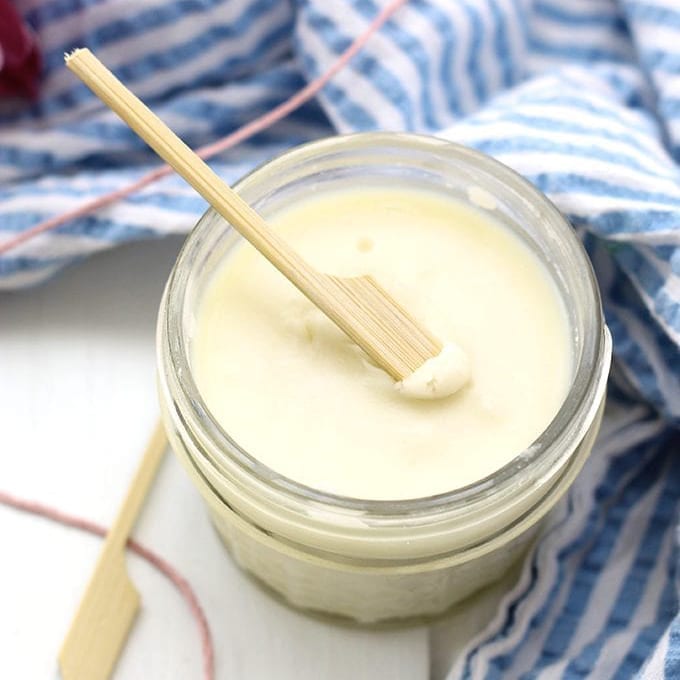
Method: Gently melt the coconut oil. Remove from heat and stir in baking soda and arrowroot powder until smooth. Add essential oils and mix well. Pour into a small jar or an empty deodorant stick container.
- Address Texture and Storage: Coconut oil melts at around 76°F (24°C). In hot climates, your deodorant might soften or liquefy.
- For Solid Form: Keep it in a cool, dry place. During summer, you might need to store it in the refrigerator, especially if traveling, much like storing it in a cooler on vacation.
- Application: If it's too soft, spoon a small amount onto your fingers and apply. If it's too hard, warm it slightly in your hands first.
- Mind Your Skin's Sensitivity to Baking Soda: While highly effective, some individuals can be sensitive to baking soda, experiencing redness or irritation.
- Adjust Ratio: If you find it irritating, reduce the amount of baking soda and increase the arrowroot powder.
- Patch Test: Always do a patch test on a small area of skin before full application.
- "Detox" Period: When switching from antiperspirant, your body may go through an initial "detox" period where you might sweat more or experience temporary increased odor as your pores adjust. Be patient; this phase typically passes within a few weeks.
- Customization is Key: Don't be afraid to experiment!
- Essential Oils: Find scents you love. Consider blends like lemon and rosemary for an invigorating feel, or cedarwood and bergamot for a sophisticated aroma.
- Consistency: If you prefer a firmer stick, you can add a small amount of beeswax to your recipe.
- Application Best Practices: A little goes a long way. Apply a thin, even layer. Over-applying can lead to excess product on clothes or potential irritation.
The initial skepticism is natural, especially if you've been burned by commercial natural deodorants before. But the testimonials are overwhelming: this simple, powerful blend of natural ingredients genuinely works, often surprising even the most cynical users with its effectiveness against body odor, even in the most demanding conditions.
Embrace the Natural Revolution
The journey away from chemical-laden antiperspirants and deodorants can feel daunting, filled with trials and errors. Many have walked this path, from dismissing concerns about aluminum to enduring disappointing experiences with various store-bought natural alternatives. Yet, time and again, the solution that emerges as a true game-changer is the humble, yet incredibly potent,
diy homemade deodorant.
By understanding the simple, powerful role of ingredients like coconut oil, baking soda, and arrowroot powder, you gain not only effective odor protection but also complete control over what you're applying to your body. No more guessing games, no more hidden chemicals, just pure, natural confidence. This isn't just about ditching chemicals; it's about embracing a more conscious, healthier lifestyle that genuinely works, even in the hottest of climates. Take the leap, whip up a batch, and prepare to be genuinely surprised and delighted by how well homemade truly outperforms the rest. Your armpits – and your peace of mind – will thank you.