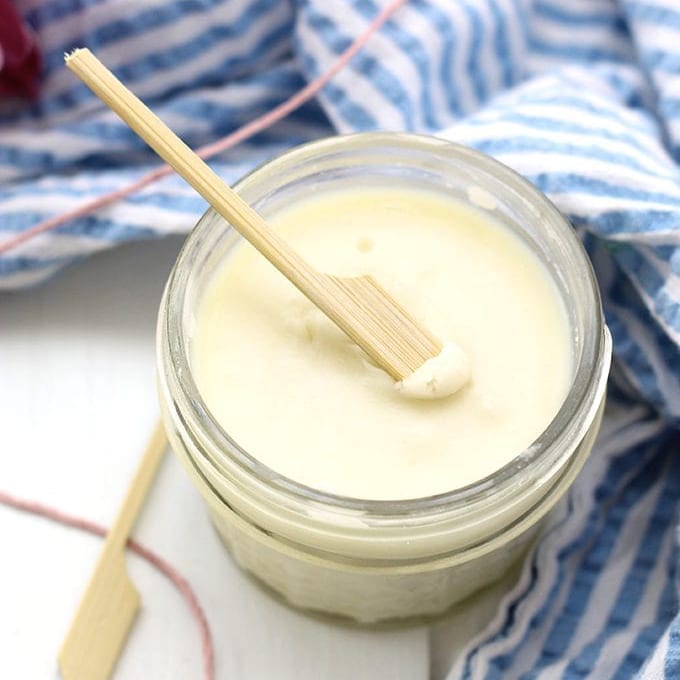
The Journey to a Homemade Deodorant That Actually Works
For years, many of us have relied on conventional deodorants and antiperspirants, believing them to be the only solution to combat body odor. We’ve endured sticky residue, questionable ingredients, and sometimes, even the embarrassment of our chosen product failing us at the worst possible moment. The journey to finding a deodorant that truly works – one that aligns with a more natural lifestyle – can be filled with skepticism, trial, and error. But what if the answer wasn't on a drugstore shelf, but in your own kitchen? Prepare to discover the
Surprising Truth: Homemade Deodorant Works Better Than Store-Bought, and how you can embark on your own successful path to fresh, natural pits.
The Rocky Road to Natural: Why Conventional Wasn't Cutting It
The push towards natural living often starts subtly. For many, it's a gradual awakening – perhaps prompted by a conversation with a health-conscious loved one, or a growing concern about the chemicals present in everyday household products. Take, for instance, the common anecdote of a mother-in-law raising alarms about the aluminum in commercial deodorants. Initially, such warnings might sound "crazy" to those of us comfortable with our trusted brands. After all, if Lady Mitchum or Clinical Strength Secret keeps the sweat and stink at bay, why mess with a good thing?
However, as awareness grows and we start making changes like switching to cloth diapers or natural cleaners, the topic of personal care products inevitably resurfaces. This often leads to the first foray into commercially available natural deodorants. The market is flooded with options, from roll-ons claiming "24-hour protection" to solid sticks promising "mineral freshness." Yet, the reality for many is a frustrating cycle of disappointment. Products that barely last a few hours, failing spectacularly when the day gets even mildly warm, or worse, leaving us smelling worse than before. This was a common experience, leading many to reluctantly retreat to their old, chemically-laden standbys.
Unmasking the Myths: Aluminum and Health Concerns
The skepticism surrounding conventional deodorants isn't unfounded. While research is ongoing and often contradictory, concerns persist around certain ingredients, particularly aluminum compounds found in antiperspirants. These compounds work by temporarily plugging sweat ducts, preventing perspiration. However, some studies and anecdotes have linked aluminum exposure to various health issues, including potential neurological effects and even breast cancer, although major health organizations generally state there is no conclusive evidence.
Beyond aluminum, many conventional deodorants contain parabens (preservatives), phthalates (plasticizers, often used in fragrances), and artificial fragrances, all of which can be endocrine disruptors or skin irritants. For those committed to reducing their chemical load, seeking alternatives isn't just a trend; it's a conscious health decision. This awareness fuels the quest for a genuinely effective, chemical-free option.
From Apple Cider Vinegar Woes to Finding a Formidable Formula
The journey to effective natural odor control is often marked by a series of experiments. Before landing on a reliable
diy homemade deodorant, many have tried various unconventional methods. Apple cider vinegar (ACV) is a popular contender, lauded for its antibacterial properties. The theory is sound: bacteria cause odor, ACV kills bacteria. Applying it with a spray or dab can indeed work for a while. However, as recounted by many, its effectiveness often wanes with increased activity or heat. The tell-tale sign of failure? The first really warm day, when the ACV simply can't keep up. Add to that the potential for dripping and staining clothes, and it quickly becomes a less-than-ideal solution.
Even stepping up to slightly more reputable "natural" brands like Tom's of Maine can present challenges. While certainly a step in the right direction away from harsh chemicals, their effectiveness can vary wildly depending on individual body chemistry and, crucially, climate. In cooler climates, they might perform adequately. But introduce the intense humidity and sweltering temperatures of a Southern American summer, and even these products can struggle to provide sufficient protection, leaving both the user and their partner reaching for the old, chemical-filled backup. This constant struggle against heat and body odor highlights the critical need for a solution robust enough to handle the most demanding conditions.
The Revelation: Embracing the Power of DIY Homemade Deodorant
It’s often at the point of utter frustration with commercial options, both conventional and "natural," that many turn to the world of DIY. The idea of whipping up your own personal care products might seem daunting, even a bit "hippie," but the testimonials of those who've made the switch are overwhelmingly positive. The moment of truth often comes from a simple, yet potent, homemade recipe found online. The skepticism is high – *can this truly work better than everything else I've tried?* – but the results speak for themselves. The relief and surprise at discovering a formula that not only works but works *amazingly well* is a game-changer. It's not uncommon for even the most die-hard skeptics, like those accustomed to "clinical strength" protection, to be converted after just one try of a properly formulated
diy homemade deodorant.
This isn't just about smell; it's about a newfound confidence. The ability to go through your day, even in the hottest and most stressful conditions, without a second thought about body odor is incredibly liberating. It's the moment you realize you've never needed to buy commercial deodorant again, a true testament to the power of simple, natural ingredients.
The Core Ingredients: Nature's Odor Fighters
The magic of
diy homemade deodorant lies in understanding the power of a few key ingredients, each playing a vital role in combating odor and maintaining freshness:
- Coconut Oil: More than just a moisturizer, virgin coconut oil is a natural antibacterial and antifungal agent. It helps eliminate the bacteria that cause body odor, rather than just masking it. Its creamy texture also provides a smooth base for the deodorant.
- Baking Soda (Sodium Bicarbonate): This household staple is an incredibly effective odor absorber. It neutralizes acids and odors, making it a cornerstone of many homemade deodorant recipes. However, its alkalinity can be irritating for some sensitive skin types.
- Arrowroot Powder or Cornstarch: These starches serve as excellent moisture absorbers. They help keep your underarms dry by soaking up perspiration, which in turn reduces the environment where odor-causing bacteria thrive. Arrowroot powder is often preferred for its finer texture and natural origin.
- Essential Oils: Beyond providing a pleasant scent, many essential oils boast natural antibacterial properties. Popular choices include tea tree oil (powerful antibacterial), lavender (soothing, pleasant scent), frankincense (skin benefits, earthy scent), and citrus oils like lemon or sweet orange (refreshing, deodorizing). Choose high-quality, pure essential oils for the best results.
Mastering Your Homemade Deodorant: Tips for Success
Making the switch to
diy homemade deodorant is straightforward, but a few practical tips can ensure your success and comfort.
- Navigating the Detox Period: When transitioning from antiperspirants, some people experience a "detox" phase as their body adjusts. This might involve increased sweating or a temporary period of stronger odor as your sweat glands clear out blockages. Be patient; this usually subsides within a few days to a couple of weeks.
- Perfecting Application: A little goes a long way. Take a pea-sized amount and rub it gently into your clean, dry underarms until absorbed. This ensures even coverage and prevents residue on clothing.
- Adjusting to Climate Changes: Since coconut oil melts at around 76°F (24°C), your homemade deodorant's consistency will change with temperature. In hot weather, it will soften or become liquid. Store it in a cool, dark place or even the fridge during summer. For travel, consider using a small sealed container or even a repurposed lip balm tube to prevent messy leaks. If you’re battling intense heat, remember that Beat the Heat: Why Our DIY Natural Deodorant Outperforms Chemicals often lies in its ability to adapt and be reapplied easily.
- Addressing Skin Sensitivity: Baking soda can be an irritant for some, leading to redness or rash. If this happens, try reducing the amount of baking soda in your recipe, or replacing part or all of it with more arrowroot powder or zinc oxide (non-nano). Listen to your body and adjust accordingly.
- Smart Storage Solutions: Jars are common, but push-up tubes or repurposed deodorant containers can offer a cleaner, more convenient application method, especially for those who prefer not to use their fingers.
Beyond Odor: The Holistic Benefits of Going DIY
The primary goal of any deodorant is, of course, odor control. But the advantages of embracing a
diy homemade deodorant extend far beyond just fresh pits.
Firstly, there's the unparalleled **control over ingredients**. You know exactly what’s going onto your skin because you put it there yourself. This peace of mind is invaluable for those with allergies, sensitivities, or simply a desire to avoid synthetic chemicals.
Secondly, **cost-effectiveness** is a significant benefit. Once you have the base ingredients, a batch of homemade deodorant can last for months, costing a fraction of what you'd spend on premium natural brands.
Thirdly, it's an **eco-friendly choice**. Reducing reliance on plastic packaging from store-bought products and utilizing reusable containers contributes to a smaller environmental footprint. It’s a small step that collectively makes a difference.
Finally, there's a certain **satisfaction** in crafting something effective with your own hands. It’s empowering to know you can create a superior product that outperforms commercial alternatives, making you feel good both inside and out.
Conclusion: Your Pits, Perfected, Naturally
The journey from skeptical consumer to confident DIY enthusiast can be a transformative one, especially when it comes to personal care staples like deodorant. What begins as a hesitant experiment to avoid "stinky stories" and questionable chemicals, often culminates in the discovery of a truly effective, natural solution. The success stories are countless, highlighting how a simple
diy homemade deodorant recipe, leveraging the power of ingredients like coconut oil and baking soda, can outperform even the strongest commercial offerings, even in the most challenging climates. If you’re tired of the endless search for a natural deodorant that actually works, it’s time to take the leap. Embrace the power of your pantry, shed the skepticism, and prepare to be surprised and delighted by a homemade solution that delivers freshness, confidence, and peace of mind, naturally.