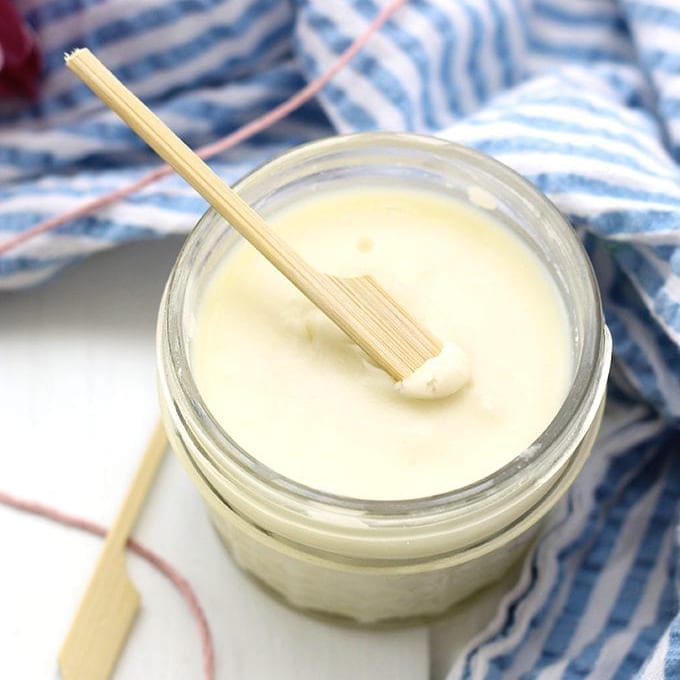
The Surprising Truth: Homemade Deodorant Works Better Than Store-Bought
For years, we've been conditioned to reach for the familiar sticks and sprays lining supermarket shelves, promising all-day freshness and protection. But what if the secret to truly effective, long-lasting odor control wasn't in a lab-formulated product, but rather in a few simple ingredients found in your pantry? The surprising truth for many, including ourselves, is that diy homemade deodorant can not only match but often surpass the performance of its commercial counterparts, all while offering a peace of mind that store-bought options rarely deliver.
Our journey to discovering the unparalleled power of homemade natural deodorant began, like many significant shifts, with a healthy dose of skepticism. The idea that a concoction whipped up in my own kitchen could stand up to the rigors of a hot summer day, let alone intense physical activity, seemed far-fetched. Yet, driven by growing concerns over questionable chemicals and a string of disappointments with commercial "natural" alternatives, we embarked on a quest that ultimately changed our personal care routine forever.
The Quest for Underarm Peace: Why We Ditched Store-Bought Deodorants
The transition away from conventional deodorants isn't just about effectiveness; it's deeply rooted in a desire for healthier, simpler living. For many, the catalyst is a realization about what we're putting on our bodies, day in and day out.
Unmasking the Ingredients: The Aluminum Conundrum
Years ago, the notion that deodorant could be "bad for you" seemed outlandish. Like many, I figured if my trusted Lady Mitchum worked, that was the end of the story. However, as awareness around ingredients grew, particularly concerning substances like aluminum, the narrative began to shift. Aluminum compounds in antiperspirants work by temporarily blocking sweat ducts, a mechanism that, while effective at reducing wetness, has sparked ongoing debate among health-conscious consumers. For those on a journey to remove nasty chemicals from their home, questioning these ingredients becomes a natural next step.
The push towards more natural living, including switching to cloth diapers and natural cleaners, inevitably led us to scrutinize our personal care products. The initial skepticism surrounding aluminum and other synthetic ingredients slowly gave way to a genuine curiosity: could there be a better way? This growing awareness is often the first step towards exploring options like The Journey to a Homemade Deodorant That Actually Works.
The Disappointment of "Natural" Alternatives
Before diving into the world of diy homemade deodorant, many of us first explore the commercially available "natural" options. Our experience, unfortunately, mirrored that of many others: a frustrating cycle of trial and error with minimal success. We tried various brands—roll-ons, sticks, even experimenting with standalone ingredients like apple cider vinegar (which, while natural, sadly dripped and stained tank tops on warm days). Each attempt ended with the familiar return to conventional, chemical-laden options when the "natural" ones inevitably failed, especially under pressure.
Living in Scotland, where cool temperatures often masked the true test of a deodorant's efficacy, we found Tom's of Maine to be "pretty good." But the real challenge came after moving back to Georgia, where the summers are relentlessly HOT. It was here that even Tom's struggled to keep up, barely working for my husband and leaving me reliant on my old chemical-filled backup on crucial days. This constant need for a "backup" solidified the feeling that we hadn't yet found a truly reliable, natural solution. It became clear that simply avoiding aluminum wasn't enough; we needed something that actively performed in all conditions.
The Moment of Truth: Discovering the Power of DIY Homemade Deodorant
It was out of this continuous cycle of disappointment and a looming shortage of store-bought options that the idea of making our own deodorant finally took root. Sometimes, the most effective solutions emerge when all other avenues have been exhausted.
From Skepticism to Success: A Personal Revelation
With our deodorant running low and a vacation on the horizon, the decision was made: we would try making a batch of diy homemade deodorant. Armed with a simple recipe, I whipped it up and packed it in a cooler, anticipating that the coconut oil base would melt in the summer heat. What followed was nothing short of a revelation. Both my husband and I, seasoned skeptics after countless failed experiments, were absolutely astonished.
This homemade concoction worked unbelievably well. It outperformed every commercial "natural" deodorant we had tried, and even surpassed the perceived reliability of our old chemical standbys. The surprise and delight were immense. We had discovered a truly effective, natural solution that not only kept us fresh but also eliminated the need to ever buy store-bought deodorant again. The efficacy was so compelling that I even convinced my sister, who typically couldn't care less about natural products and relied on Clinical Strength Secret, to give it a try. To my amazement, she loved it, further solidifying our belief in the power of homemade.
Beyond Just Working: The Unrivaled Benefits
The most immediate and obvious benefit of diy homemade deodorant is its superior effectiveness, especially when formulated correctly. But its advantages extend far beyond just keeping odor at bay:
- Control Over Ingredients: You know exactly what you're putting on your skin. No hidden parabens, phthalates, artificial fragrances, or questionable aluminum compounds. This transparency offers incredible peace of mind.
- Cost-Effectiveness: The raw ingredients for homemade deodorant are surprisingly inexpensive, especially when bought in bulk. A single batch can last for months, leading to significant savings over time compared to premium store-bought natural deodorants.
- Customization: You can tailor your deodorant to your specific needs. Adjust the amount of baking soda for sensitive skin, choose essential oils for your favorite scent (or none at all), and alter the consistency to your preference.
- Reduced Environmental Impact: By making your own, you reduce plastic waste from deodorant containers, contributing to a more sustainable lifestyle.
- Better Odor Control: Unlike antiperspirants that block sweat, many homemade deodorants work by neutralizing odor-causing bacteria and absorbing moisture, allowing your body to sweat naturally—a healthy bodily function—without the accompanying smell. This holistic approach often leads to more effective, long-lasting freshness. Learn more about how these natural solutions Beat the Heat: Why Our DIY Natural Deodorant Outperforms Chemicals.
Your Guide to Crafting the Perfect DIY Homemade Deodorant
Making your own deodorant is simpler than you might think, often requiring just a few common household ingredients. The key lies in understanding the role each component plays.
Essential Ingredients and Their Roles
A basic and highly effective diy homemade deodorant typically includes:
- Coconut Oil: The base of many recipes. Coconut oil is naturally antibacterial and antifungal, which helps combat odor-causing bacteria. It also provides a smooth, spreadable consistency.
- Baking Soda: A powerful odor neutralizer. It helps absorb moisture and eliminate unpleasant smells. However, it can be irritating for some sensitive skin types.
- Arrowroot Powder (or Cornstarch): Acts as a moisture absorber, helping to keep armpits dry without blocking sweat glands. It also helps to balance the baking soda and create a smoother texture.
- Essential Oils (Optional): For scent and added benefits. Tea tree oil, lavender, peppermint, and frankincense are popular choices for their antibacterial or soothing properties. Always dilute essential oils properly.
A common starting recipe might involve equal parts coconut oil, baking soda, and arrowroot powder, melted together and then solidified. Exact ratios can be adjusted based on personal preference and skin sensitivity.
Tips for a Smooth Transition and Application
Switching to diy homemade deodorant can involve a short adjustment period, often referred to as a "detox" phase, as your body adjusts to natural ingredients:
- Start Small: Begin with a small amount of deodorant and gradually increase if needed.
- Patch Test: Always test a small amount on your skin first to check for sensitivity, especially with baking soda or new essential oils.
- Application: Homemade deodorants are often applied with your fingertips. A pea-sized amount is usually sufficient for each armpit.
- Storage: Coconut oil melts at around 76°F (24°C). In warmer climates, store your deodorant in the refrigerator or adjust the recipe by adding a bit of beeswax to create a firmer consistency. In cooler climates, it might be quite firm and need to be warmed slightly between your fingers before application.
- "Detox" Period: Some individuals experience increased sweating or odor initially as their bodies flush out built-up toxins from conventional antiperspirants. This phase typically lasts a few days to a couple of weeks.
Addressing Common Concerns and Dispelling Myths
Despite its growing popularity, many still have questions or reservations about homemade deodorant.
Is Baking Soda Right for Everyone?
One of the most frequent concerns is baking soda sensitivity. While it's a fantastic odor neutralizer, its alkaline pH can sometimes irritate sensitive skin, leading to redness or rashes. If you experience this, don't give up on diy homemade deodorant!
There are excellent alternatives:
- Reduce Baking Soda: Start with a much smaller amount of baking soda in your recipe, or even omit it entirely.
- Magnesium Hydroxide: This gentle ingredient is a common substitute for baking soda. It effectively neutralizes odor without altering skin pH as drastically.
- Zinc Oxide: Another great option that offers antibacterial properties and helps with odor control.
- Activated Charcoal: Known for its detoxifying properties, it can also help absorb odor.
Does it Really Last All Day?
The effectiveness of diy homemade deodorant can vary based on individual body chemistry, activity levels, and climate. However, for most people, a well-formulated homemade deodorant provides excellent, all-day odor protection. In our experience, it even stood up to the intense heat of a Georgia summer, far outperforming products that had previously failed.
Tips for maximizing longevity:
- Apply to Clean Skin: Always apply to freshly washed and completely dry underarms for best results.
- Reapply if Needed: On exceptionally hot or active days, a quick reapplication can be beneficial, just as you might with any deodorant.
- Adjust Recipe: If you find it's not quite enough, you might slightly increase the amount of baking soda (if your skin tolerates it) or add more potent essential oils.
Conclusion
The journey from skepticism to staunch advocacy for diy homemade deodorant has been a surprising and incredibly rewarding one. What started as a last-ditch effort to find a truly effective, chemical-free solution culminated in the discovery of a product that not only works better than anything we'd ever bought but also aligns perfectly with a healthier, more conscious lifestyle. The control over ingredients, the cost savings, and the sheer effectiveness are unparalleled.
If you've been on a similar quest, or if the idea of a natural, potent, and personalized deodorant appeals to you, we wholeheartedly encourage you to give homemade a try. It might just be the surprising truth your armpits have been waiting for, freeing you from the endless cycle of commercial disappointment and embracing a truly fresh, natural approach.
